How our sample book categories are structured — and how they help you work faster.
When it comes to organizing Sample Books, we’re here to make your life easier. The goal? Help you streamline your space, support your customer efficiently, and reach a confident decision faster.
No more pulling book after book just to find a starting point. With the right system, you can walk into your library knowing exactly where to begin based on what your customer needs. That’s time saved and projects moving.
In our previous blog post, Understanding Sample Book Categories, we shared the three distinct ways our books align with your customers' priorities:
• Price-conscious project? → Value
• Color-specific vision? → Hues
• Material-first decision? → GH Basics
Now, we’re breaking down how each category is structured — so you can step into your next project more prepared, confident, and ready to create something beautiful.
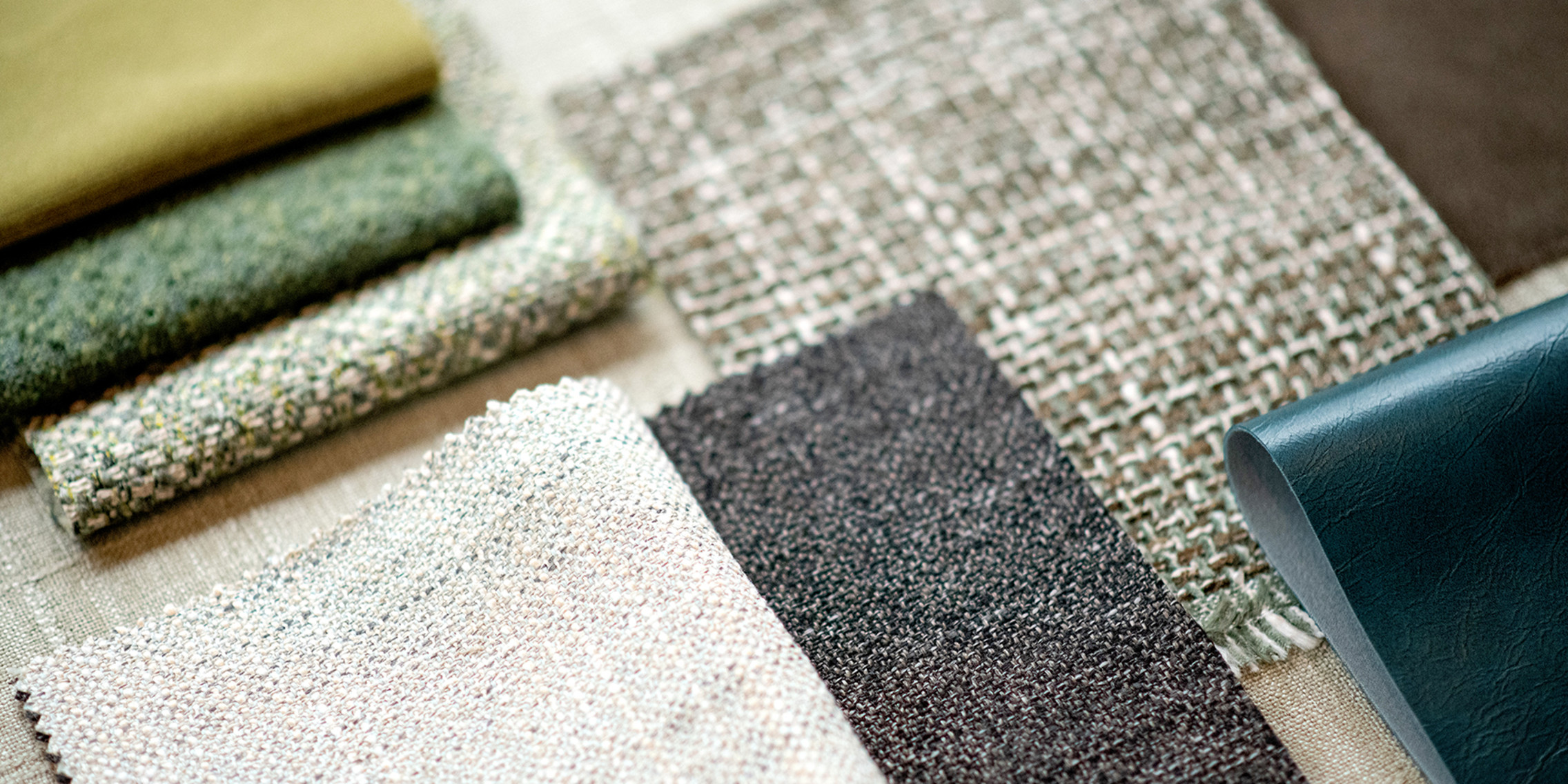
If GH Basics collections were a person, they would be steady, dependable, and quietly confident.
Basics are less about variety in pattern and more about clarity of material. A Basics Sample Book may focus on a single category such as velvet, suede, or linen, offering breadth of color within that specific content.
This is often where designers and upholsterers begin when they know exactly what they want to work with.
Someone might walk in and say:
“I always upholster in velvet.”
Or
“I need a linen that feels right for this space.”
Basics aren’t about chasing trends. They’re about trusted, hardworking fabrics that move easily across customer types and applications.
Performance and price can vary within Basics. What stays consistent is reliability.

Value collections exist for one reason: to help you deliver beautiful work while honoring your customer's budget.
Value is about price and volume — never about sacrificing quality. Every fabric remains first quality. Behind the scenes, we simply dig deeper to find goods that balance affordability with performance and style.
You’ll notice the bold red sticker on these Sample Books. It’s intentionally visible so you can locate them quickly when a conversation begins with budget.
We also understand the hesitation some designers feel around the word “Value.” There’s a common misconception that it means lower quality or less aesthetic appeal, which isn’t the case.
Many shops use Value strategically by pairing these fabrics with higher-end statement pieces to balance overall project budgets. In commercial work or larger orders, Value collections can be the difference between staying within scope or losing the job altogether.
It’s not about lowering standards.
It’s about expanding options.
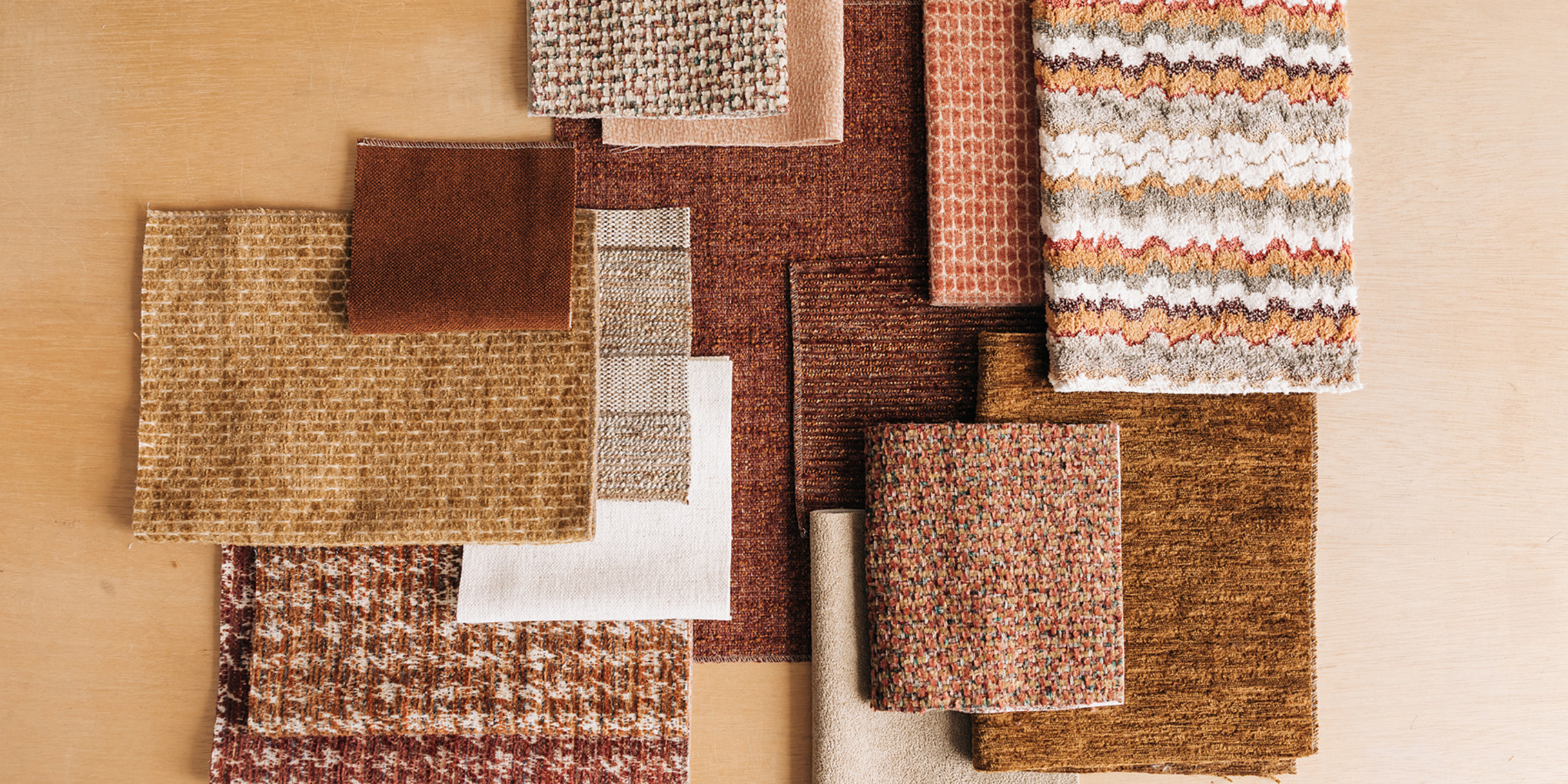
Hues Sample Books are built around one thing: color.
They tend to feel more playful, with a wider range of patterns, applications, and trend-driven moments. Designers often reach for Hues when the customer knows exactly what color they want, but hasn’t yet decided on the fabric itself.
Instead of searching through loose memos or pulling multiple books, Hues lets you start with a color direction and explore coordinated possibilities quickly.
These collections often support larger design conversations — whole rooms or full-home projects — rather than a single upholstery piece. They move across applications naturally and give you room to explore.
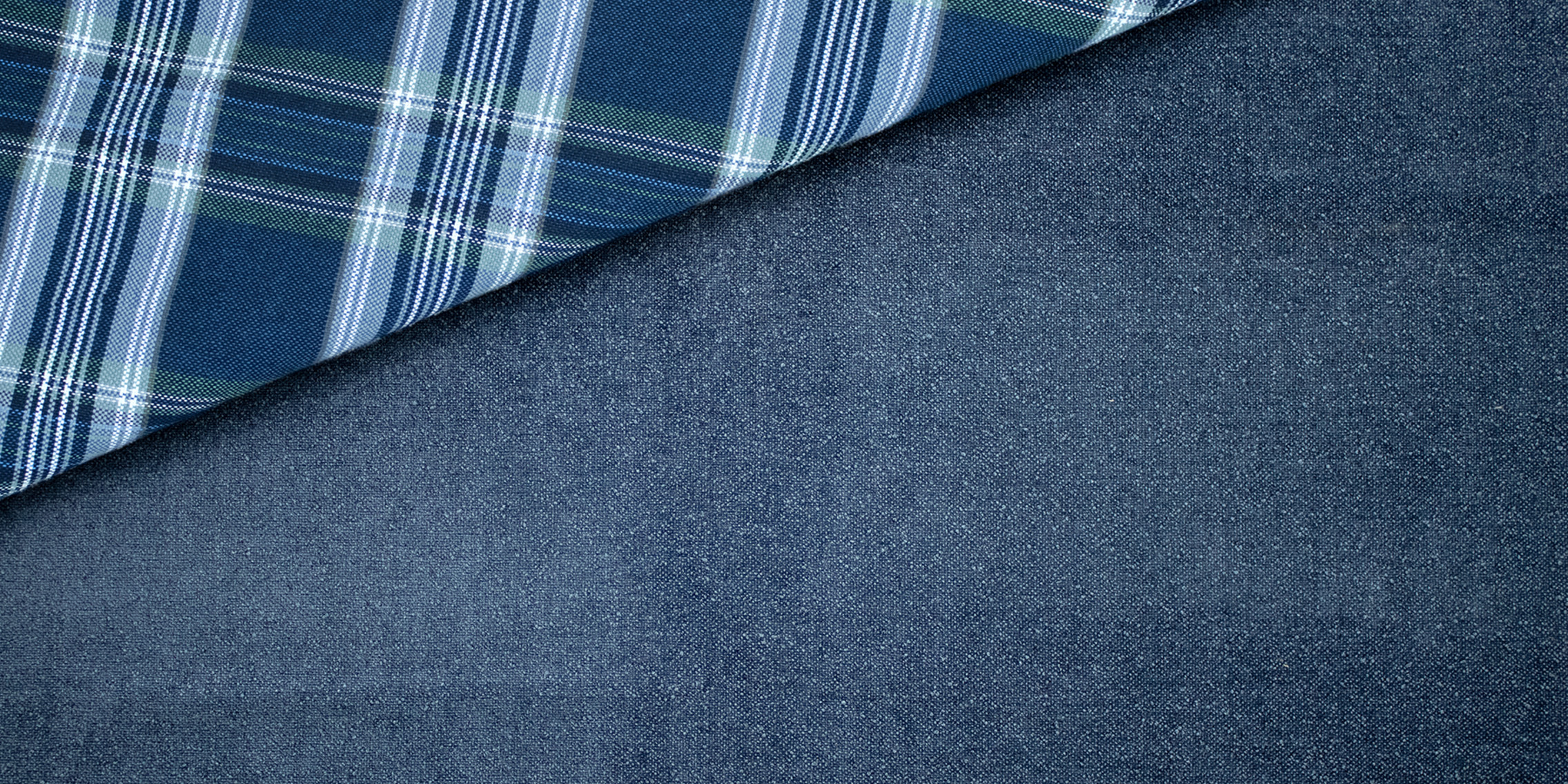
There isn’t a hierarchy or ladder between GH Basics, Value, and Hues. You may move between all three in a single project depending on what your customer values most.
Listening closely to how a customer describes their priorities often tells you exactly where to begin:
• Focused on aesthetics and color? → Hues
• Leading with budget or turnaround? → Value
• Looking for a specific material or hand? → GH Basics
Each category is simply a different entry point into the same goal — helping you find the right fabric with clarity and confidence.
We know these categories may not always feel intuitive at first, and we own that. As much as we’d love for them to be self-explanatory, they work best when the intent behind them is understood. These categories function for us just like they do for you: as a reference point, a guide, and an easy way to narrow the search.
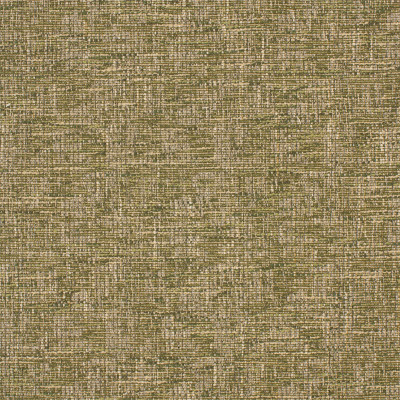


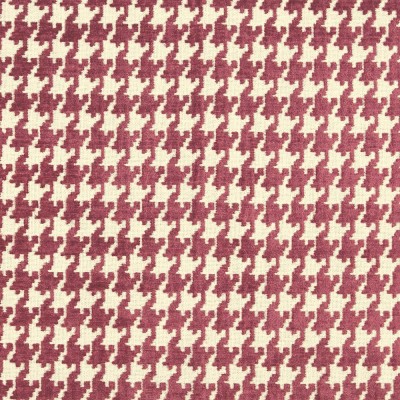


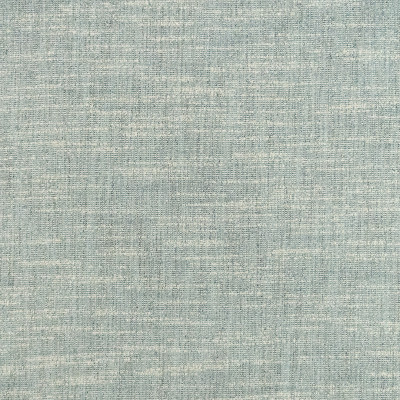
When we first launched this system, it felt like something clicked — for us and many of you. The categories began to round out our offering and reflect the real conversations happening in your showrooms every day.
We’re here to help you work smarter, quote confidently, and keep projects moving.
Greenhouse exists to support a wide range of businesses, each with its own rhythm, process, and style. These Sample Book categories are built to support how you work by helping you navigate choice, not limit it.
At the end of the day, our goal is the same as yours: to help the right fabric find the right home — simply, efficiently, and with confidence.