If there’s one skill that quietly protects your margins and timelines, it’s accurate fabric yardage estimating.
After 75 years of working alongside upholstery shops—many of them multi-generation businesses—we’ve seen how often yardage questions come up (you’d be surprised). Estimating upholstery fabric is part experience, part geometry, and part knowing where the variables live. Let’s be honest—there are a lot of variables when it comes to fabric, and we’re here to help.
This blog is meant to be a steady refresher. The kind you can return to when you’re quoting an upholstery job, answering a customer question, or helping a newer team member build confidence.
Why accurate yardage estimating matters more than ever:
Accurate yardage does more than prevent shortages.
It helps you:
- Quote upholstery jobs with confidence and save your customers money
- Avoid delays caused by ordering additional yardage or dealing with dye-lot issues
- Give yourself some allowance for when life happens, while reducing excess fabric
The most successful upholstery shops we’ve worked with over the years don’t rely on memory alone. They use consistent reference points—yardage estimation tools that take the guesswork out of everyday decisions.
What’s the old saying? “Measure three times, cut once.”
Our warehouse team follows a three-step cutting + writing process that results in a 99% accurate cut rate—proof that systems matter.

Start with the fundamentals of upholstery yardage estimating.
Every good estimate begins with a few key questions:
- Is the fabric plain, railroaded, or up the roll?
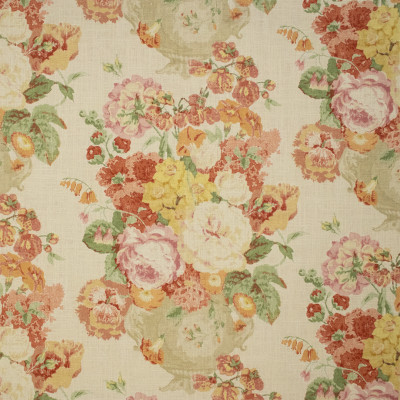
- Does it have a repeat that requires pattern matching? What are the repeat measurements?
- Is there a motif that will be centrally featured on a pillow, cushion, or chair?
- Are there welts, skirts, or cording involved?
- Is the furniture piece tight, loose, or tailored?
These details may feel routine, but they’re often where upholstery yardage estimates drift when they’re skipped or rushed. See fabric patterns below for different size repeats and a central motif.


Proven upholstery yardage guidelines you can rely on.
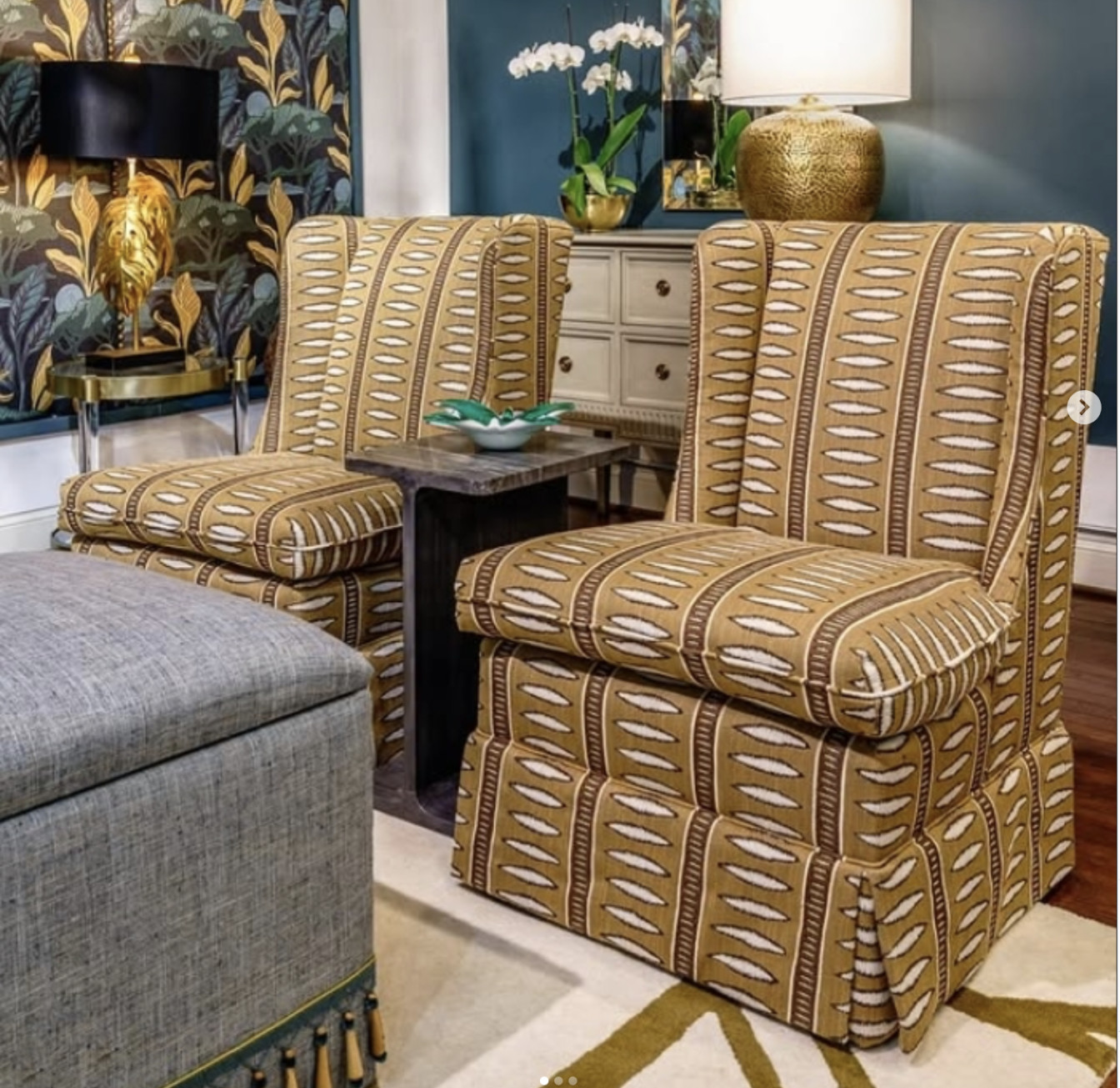
Over time, certain upholstery yardage ranges have proven dependable across a wide variety of furniture styles. These are the same guidelines built into the Greenhouse Fabrics Yardage Estimator Poster, with reasonable allowance for pattern matching already considered.
A few common examples:
- Dining chair (seat only): ~1½ yards
- Dining chair (seat and back): ~2½ yards
- Accent chair: 4–6 yards
- Wing chair: 6–8 yards
- Sofa (6’–9’): approximately 10–16 yards, depending on style and scale
Having these benchmarks visible as a starting point—rather than buried in memory—can make quoting faster and more consistent, especially on busy days (and we know you have plenty of those!).
Don’t overlook the details that affect fabric yardage.
Some of the most common underestimations don’t come from the main body of the furniture, but from the details:
- Cushion boxing
- Pattern matching across seams
- Welting and trims
- Skirts and deck panels
- The occasional recut that happens in real life
After using the Greenhouse Fabrics Yardage Estimator as your starting place, this is where it’s important to factor in the details that make custom upholstery pieces uniquely yours—and a source of long-term satisfaction for your customer.
A yardage estimation tool designed for real businesses.
Because estimating yardage usually happens between cutting, stapling, and customer conversations, we created a Free Yardage Estimator Poster as a true quick-reference tool for upholstery shops.
It includes:
- Upholstery yardage guidelines by furniture type
- Visual illustrations for fast furniture identification
- A leather yardage conversion chart
- Clear, practical yardage ranges you can trust
It’s designed to be printed, hung, and used—whether you’re quoting a job or training someone new.
Download the free Greenhouse Fabrics Yardage Estimator Poster click the image below!